Marine snail named after York researcher
Posted on Thursday 13 April 2023
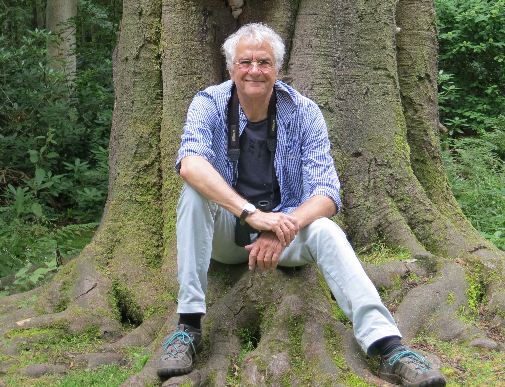
Turritella howardpetersi is a small gastropod mollusc that carpets the seabed off the San Blas Archipelago, a group of islands off the Caribbean coast of Panama. It was brought to the surface in 2020 by local fishers and identified and described as a new species by U.S. malacologists Edward Petuch and David Berschauer.
They chose to name the new snail after Howard in recognition of his work to identify species of cone snail and abalone at risk of extinction. Howard is a member of the Mollusc Specialist Group for the International Union for the Conservation of Nature’s Red List of Threatened Species. He recently led a global assessment of abalone species and the publication of this work was announced to coincide with the COP15 UN conference on biodiversity, held in Canada in 2022.
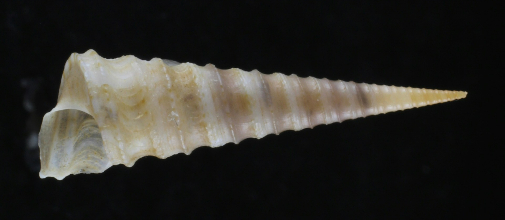
Howard has yet to meet his namesake: one of the shells is waiting for him to collect when he next visits the US, but he is delighted to receive this recognition. He says: “It’s a real honour and my children jest that it endows me with immortality - but it would be a sad irony if my immortality was matched by the species becoming extinct. It makes me more determined to continue my work to highlight and, where possible, provide evidence for reducing the threats faced by most species of marine mollusc.
“As well as over-fishing, and loss of habitat, many are directly under threat from climate change, including warming of the oceans and increased acidification from the combustion of fossil fuels. This could have a profound effect on the ability of calcifying organisms to develop, including the molluscs, which are often overshadowed by their more glamorous fellow victims - the corals.”
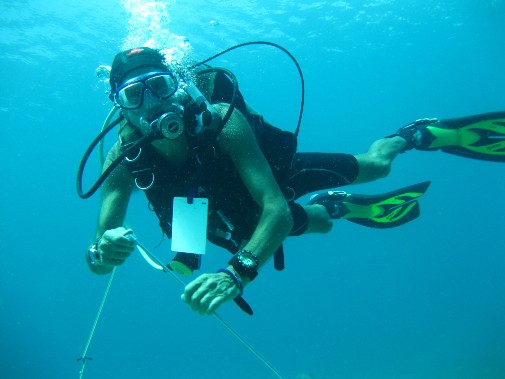
Howard spent his earlier career working in IT and business, but as a passionate scuba diver, he was always interested in the marine environment. He worked with a number of NGOs surveying coral reef systems around the world for conservation initiatives.
After completing an MSc with distinction in the Department of Environment and Geography at York, he embarked on a PhD exploring the conservation status of the marine gastropod genus Conus, known commonly as cone snails. These predatory snails employ neurotoxins to paralyse their prey, and some toxins possess properties of interest in biopharmaceutical research; so, extinction of any species could deprive science of this resource.
During the final year of his studies, he organised and chaired an international workshop in Chicago to review the assessment for the IUCN Red List of all 632 species of cone snails – the first marine gastropod genus to be so assessed.
For Howard, his years present no barrier; he said: “I’ve been fortunate to see my research make a practical contribution to marine conservation and I hope to continue for many years yet, hopefully offering proof that it’s never too late to start something new!”